
Helping you choose the right look for your garden
Why this matters
When you fill in our questionnaire, you’ll be asked to choose a garden style and a colour palette.
These choices help shape:
- the structure of your planting
- the types of plants we select
- how your garden feels throughout the year
Think of this page as your guide to understanding what each option actually means in real life — not just visually, but in how it grows, behaves, and feels in your space.
Garden Styles Explained
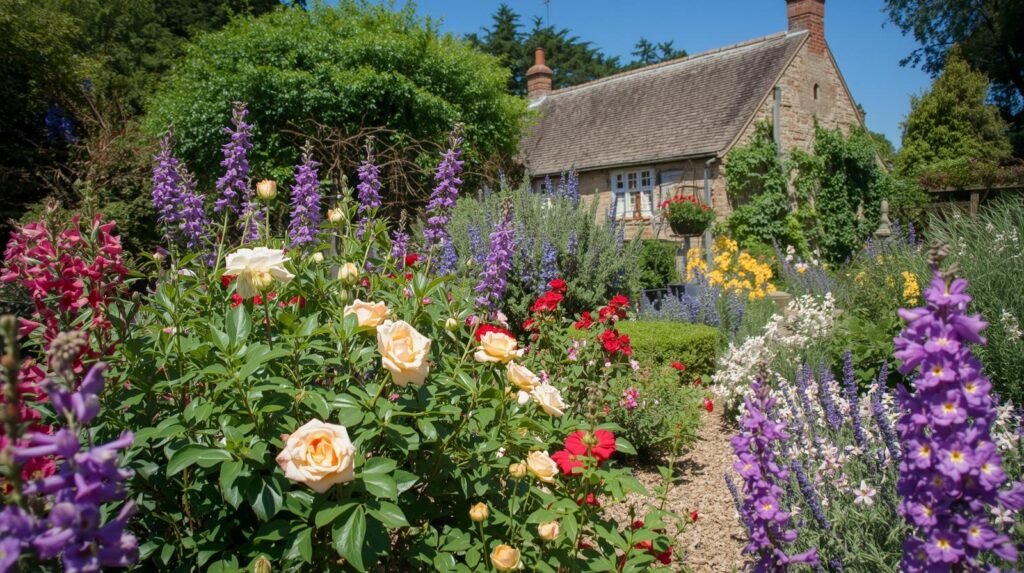
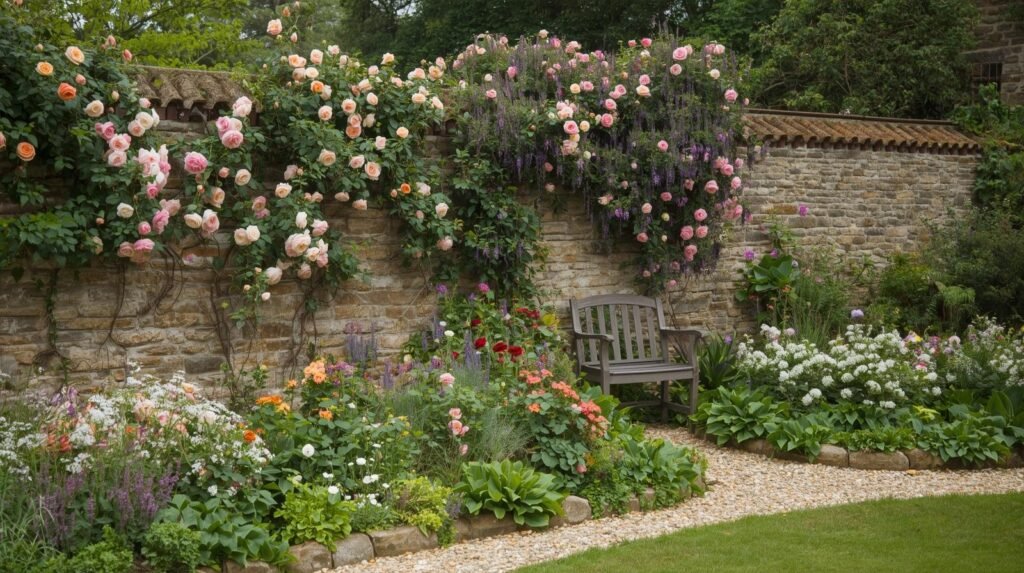
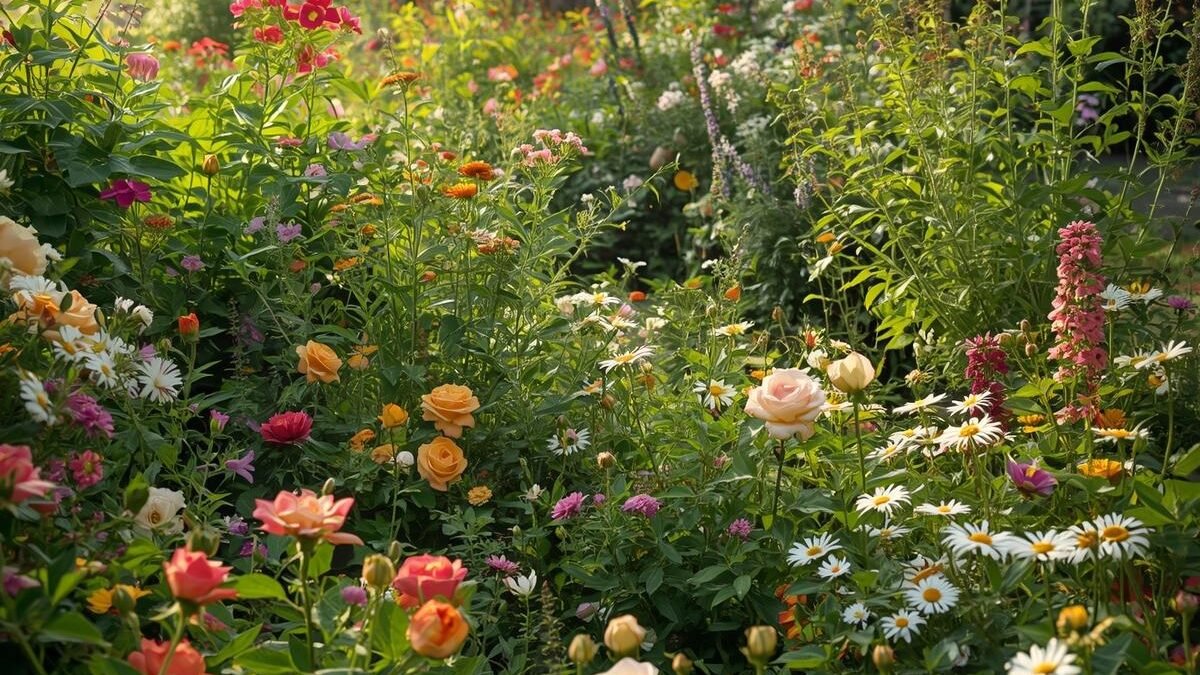
Cottage Garden (Romantic)
Feel: Soft, abundant, relaxed, traditional
This is a classic, flower-filled garden style with lots of colour and movement. Plants are layered and repeated, but not rigid or formal.
Key features:
- Flowing planting rather than straight lines
- Lots of flowering perennials
- Seasonal interest from spring to autumn
- A slightly informal, “grown-in” look
Typical plants:
- Roses, lavender, salvia
- Foxgloves, daisies, campanula
- Soft grasses for movement
Best for:
- People who love flowers
- Softer, more traditional homes
- Borders where you want a full, generous feel
Modern (Contemporary)
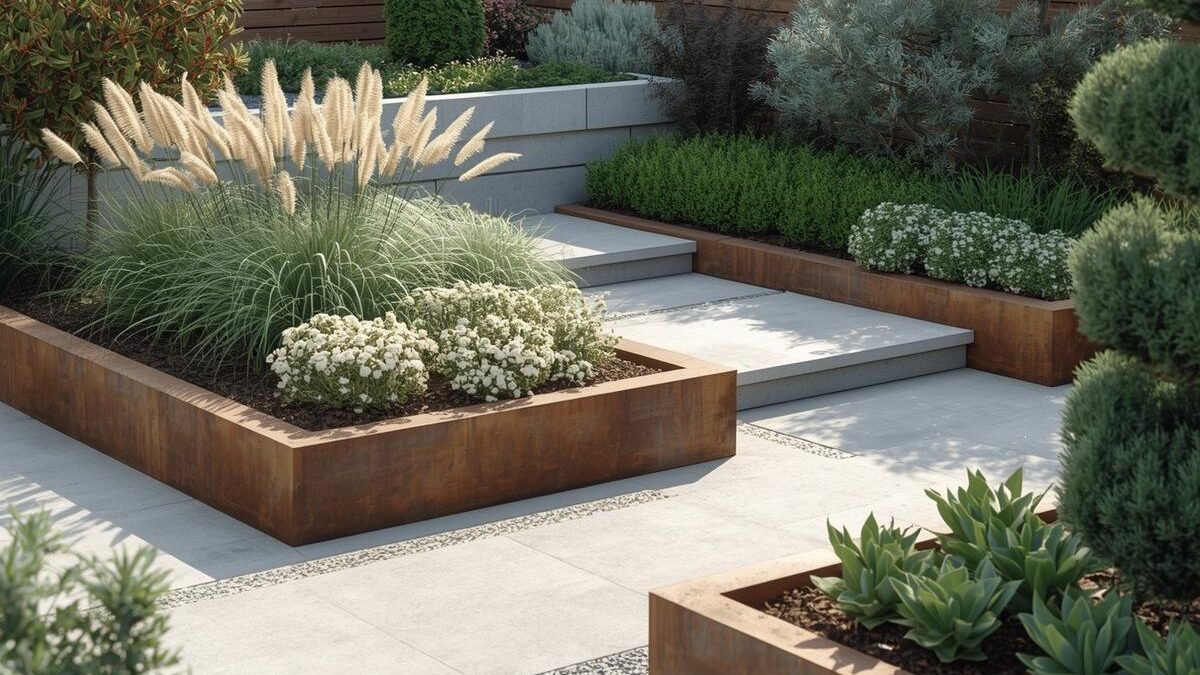
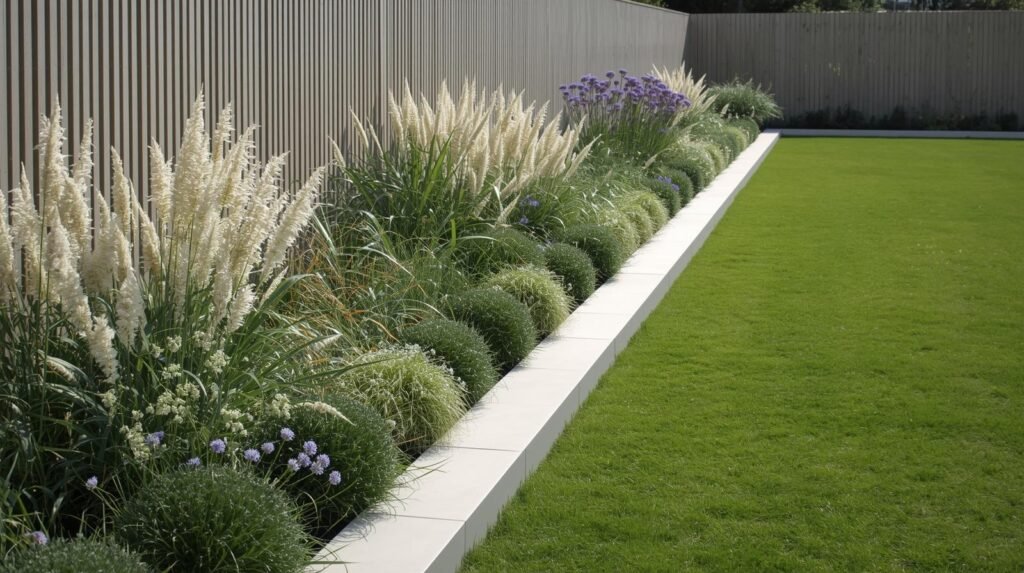
Feel: Clean, minimal, architectural
This style focuses on structure, simplicity, and strong shapes. Planting is more controlled and often uses fewer varieties.
Key features:
- Repetition of a small number of plants
- Strong lines and defined spaces
- Evergreen structure
- Calm, uncluttered look
Typical plants:
- Ornamental grasses
- Box, evergreen shrubs
- Structural perennials
Best for:
- Contemporary homes
- Low-maintenance preferences
- Clean, uncluttered spaces
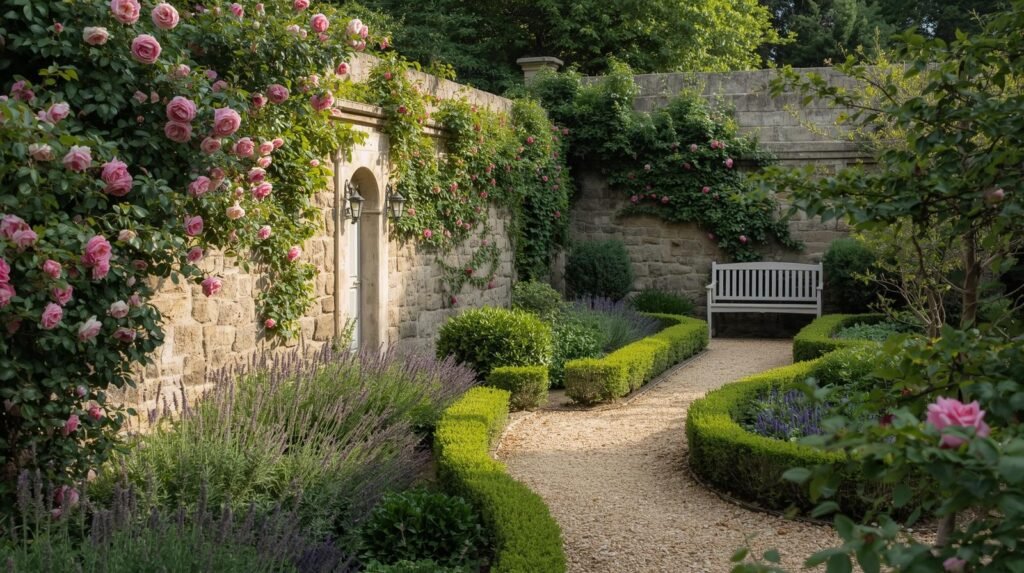
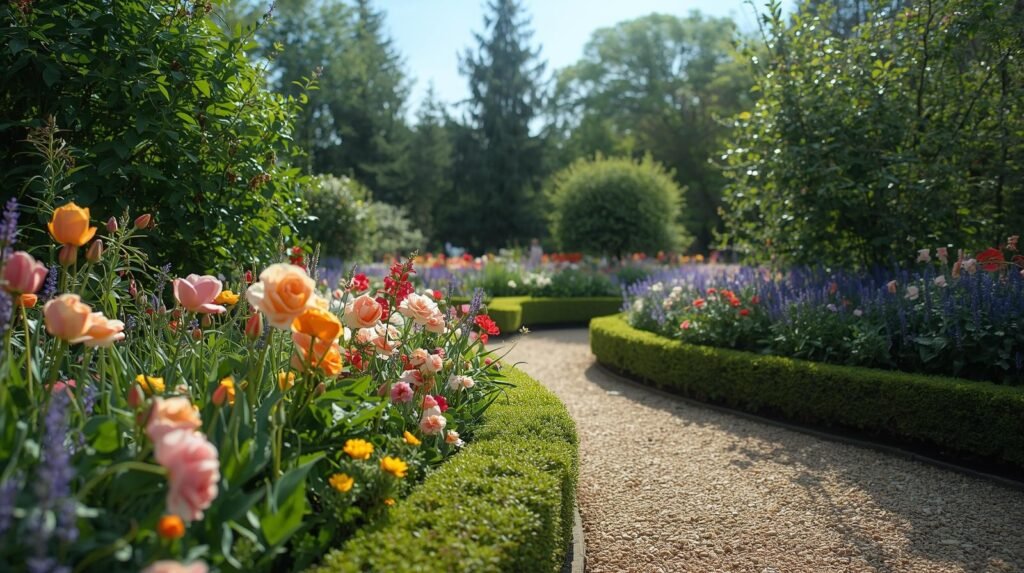
Formal (Structured)
Feel: Balanced, symmetrical, organised
A more traditional structured approach with clear layout and strong framework planting.
Key features:
- Symmetry and order
- Defined edges and shapes
- Repeated planting patterns
- Strong evergreen framework
Typical plants:
- Box hedging
- Topiary forms
- Repeated flowering blocks
Wildlife Friendly (Naturalistic)
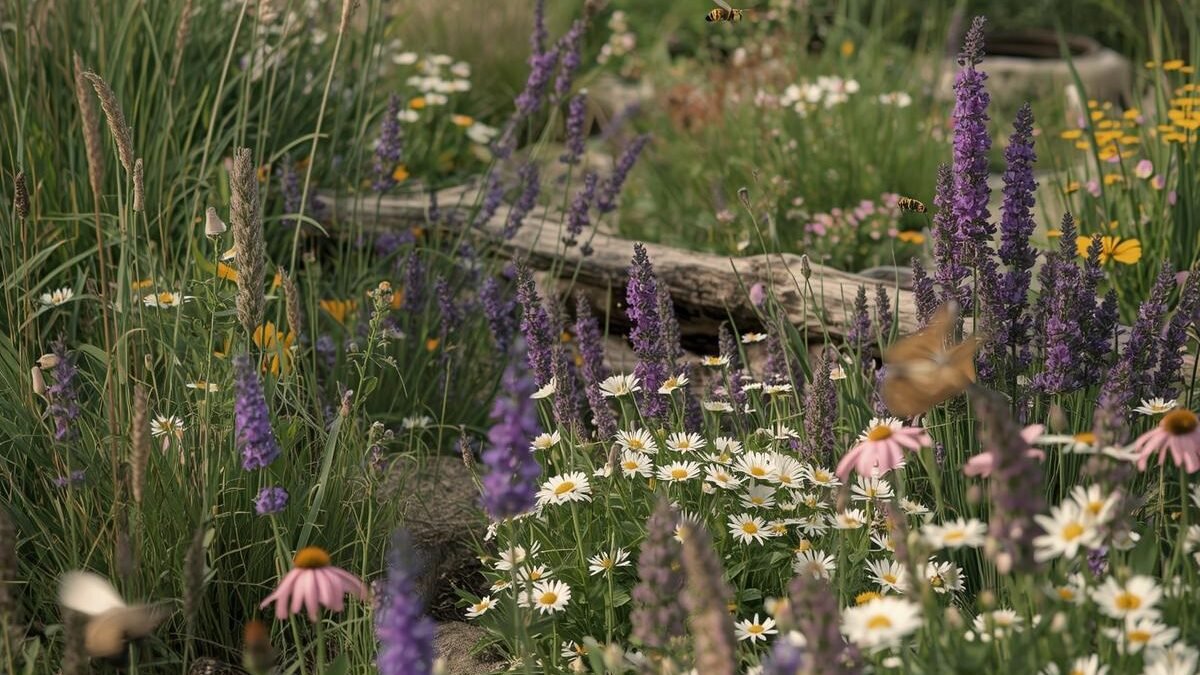
Feel: Natural, flowing, ecological
This style mimics nature more closely and focuses on supporting pollinators and wildlife.
Key features:
- Mixed planting with a natural flow
- Longer flowering seasons
- Seed heads and structure left for wildlife
- More relaxed layout
Typical plants:
- Echinacea, rudbeckia, asters
- Grasses and native-style perennials
- Pollinator-friendly species
Best for:
- Nature lovers
- Low intervention gardening
- Gardens with an ecological focus
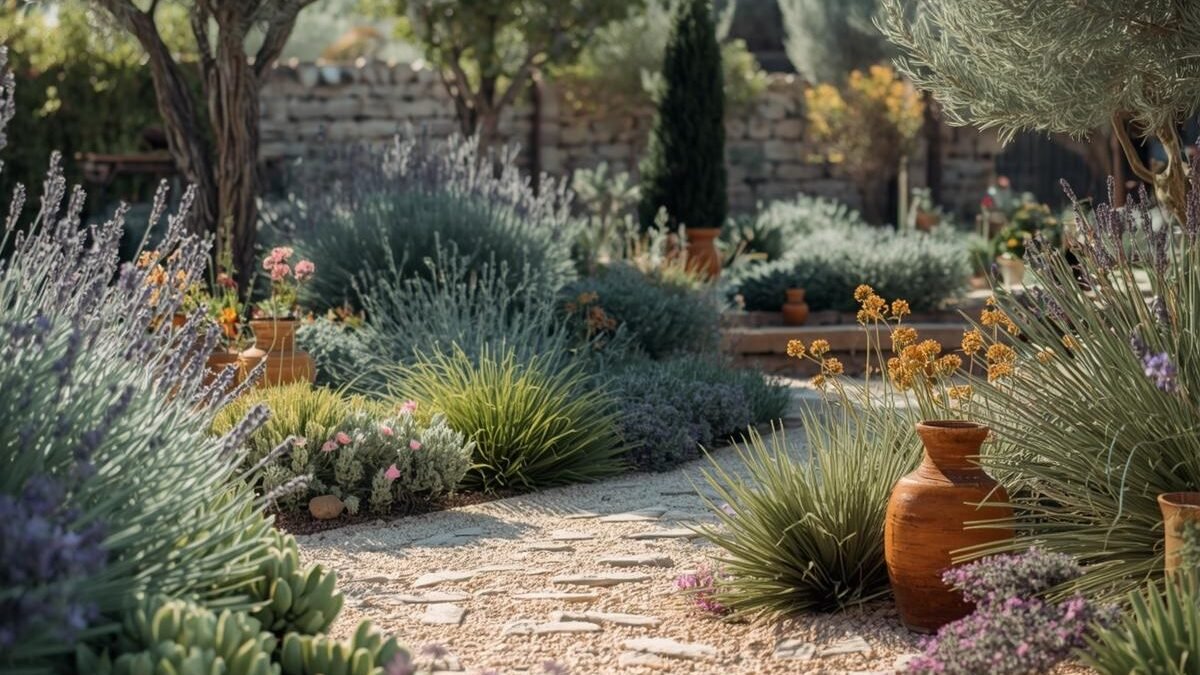
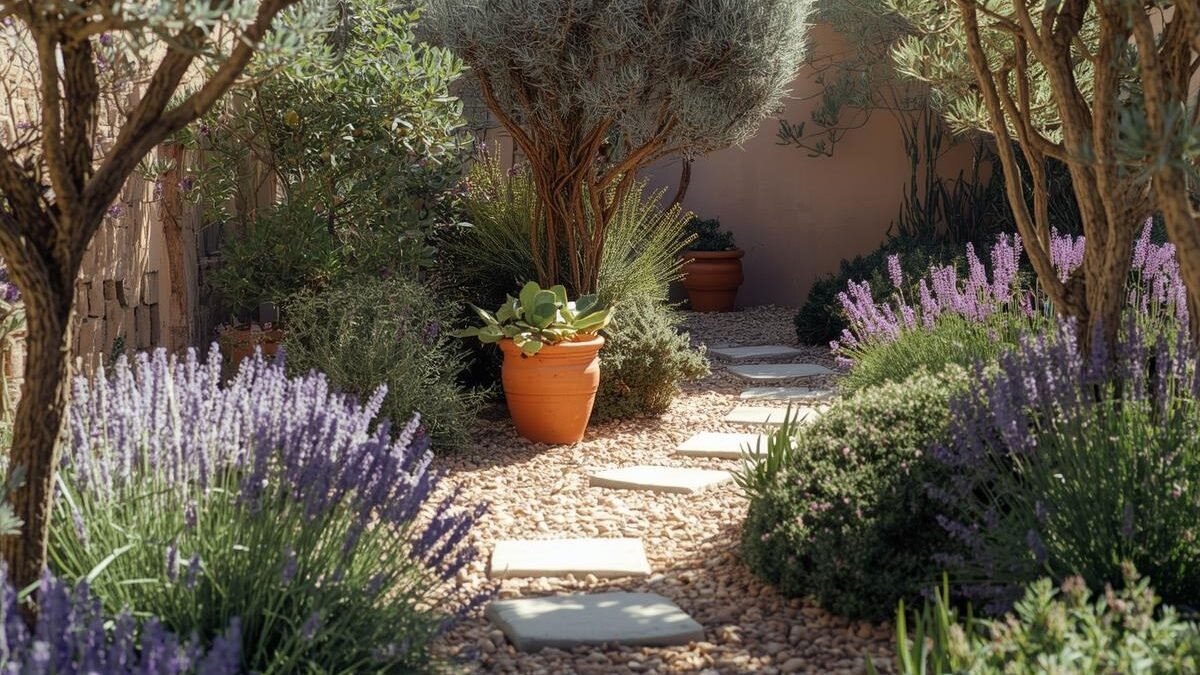
Mediterranean (Sun-Drenched)
Feel: Warm, dry, relaxed, textural
Inspired by hot, dry climates with drought-tolerant planting.
Key features:
- Silvery and aromatic foliage
- Open planting with space between plants
- Strong textures rather than lots of colour
Typical plants:
- Lavender, rosemary, thyme
- Santolina, grasses
- Drought-tolerant perennials
Best for:
- Sunny, free-draining gardens
- Low watering
- Relaxed outdoor living spaces
Coastal (Cape Cod)
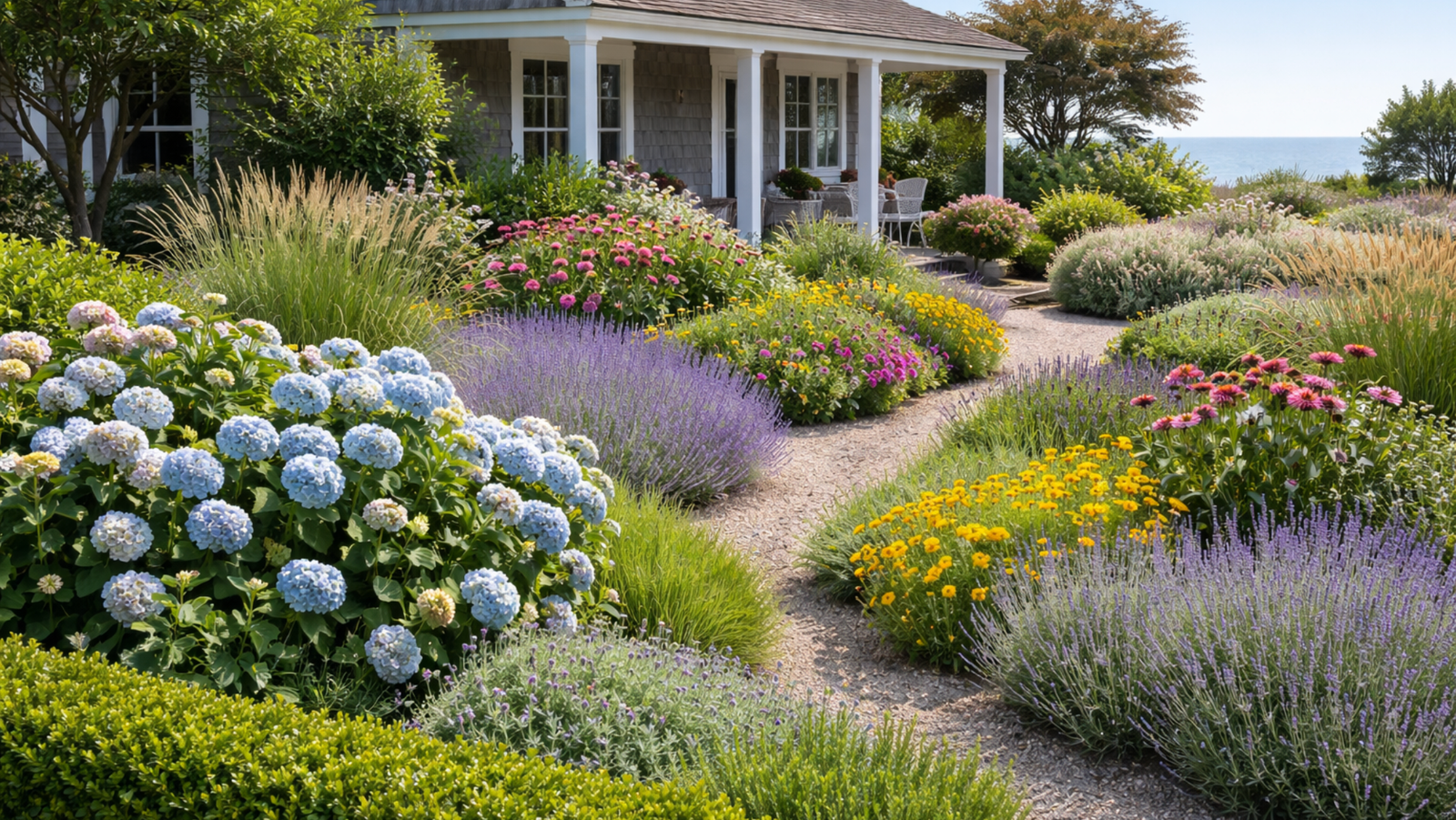
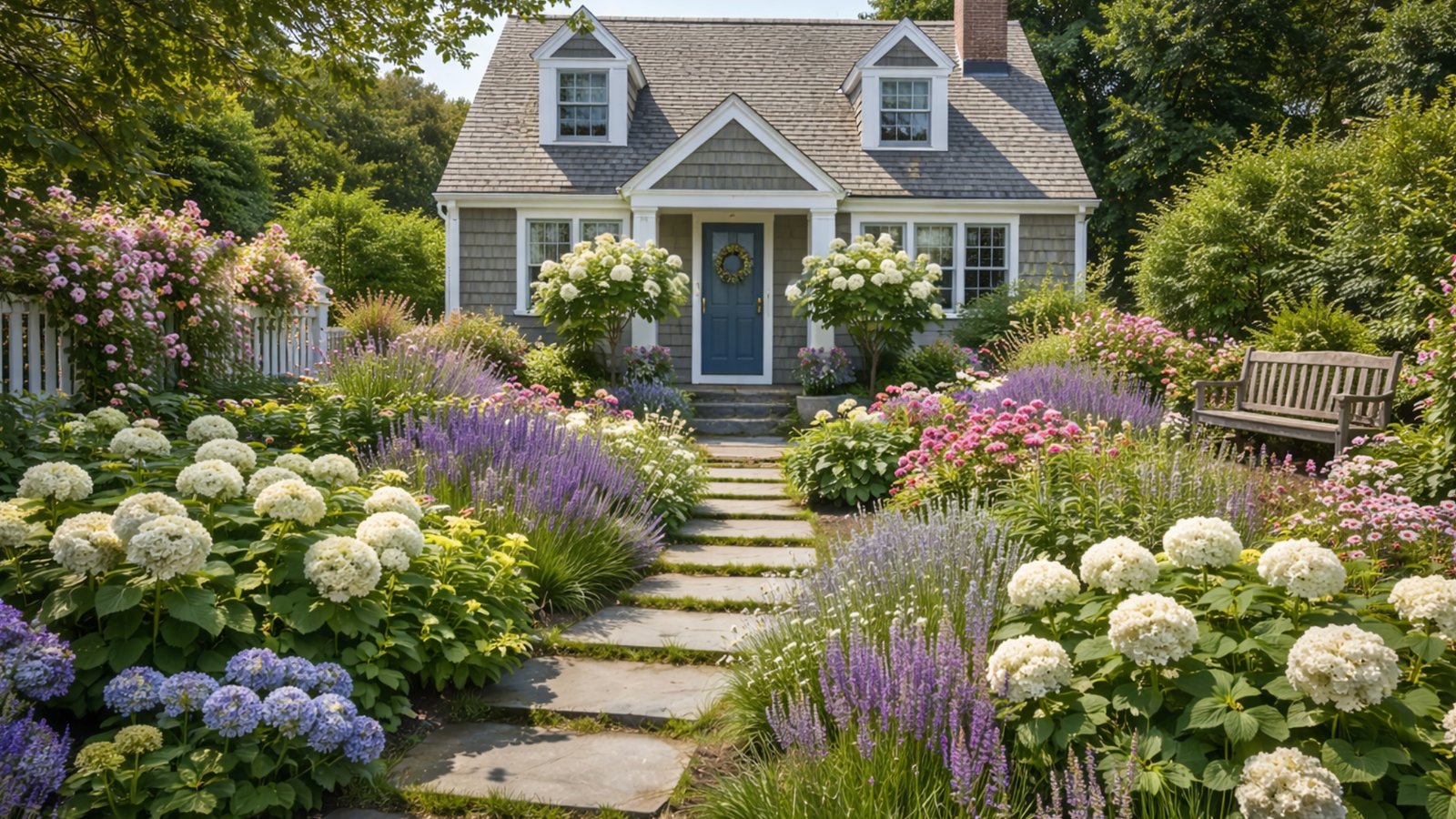
Feel: Light, airy, coastal, timeless
Inspired by classic Cape Cod landscapes, this style is soft and relaxed but still structured. It balances movement and simplicity, using plants that can handle wind, salt air, and sandy soils while still feeling elegant.
Key features:
- Soft, flowing planting with movement from grasses
- Repetition and restraint rather than overly busy planting
- Muted, natural colour palette (whites, soft blues, silvers, greens)
- Strong evergreen structure to anchor the space
- Planting that feels natural but still intentional and designed
Typical plants:
- Hydrangea (especially in more sheltered areas)
- Bayberry, juniper, and other coastal shrubs
- Ornamental grasses (for movement and texture)
- Lavender and soft perennials
- Beach-style and wind-tolerant planting
Best for:
- Coastal or exposed gardens
- For those who want a soft, elegant, timeless look
- Gardens where wind, salt, or sandy soil are a factor
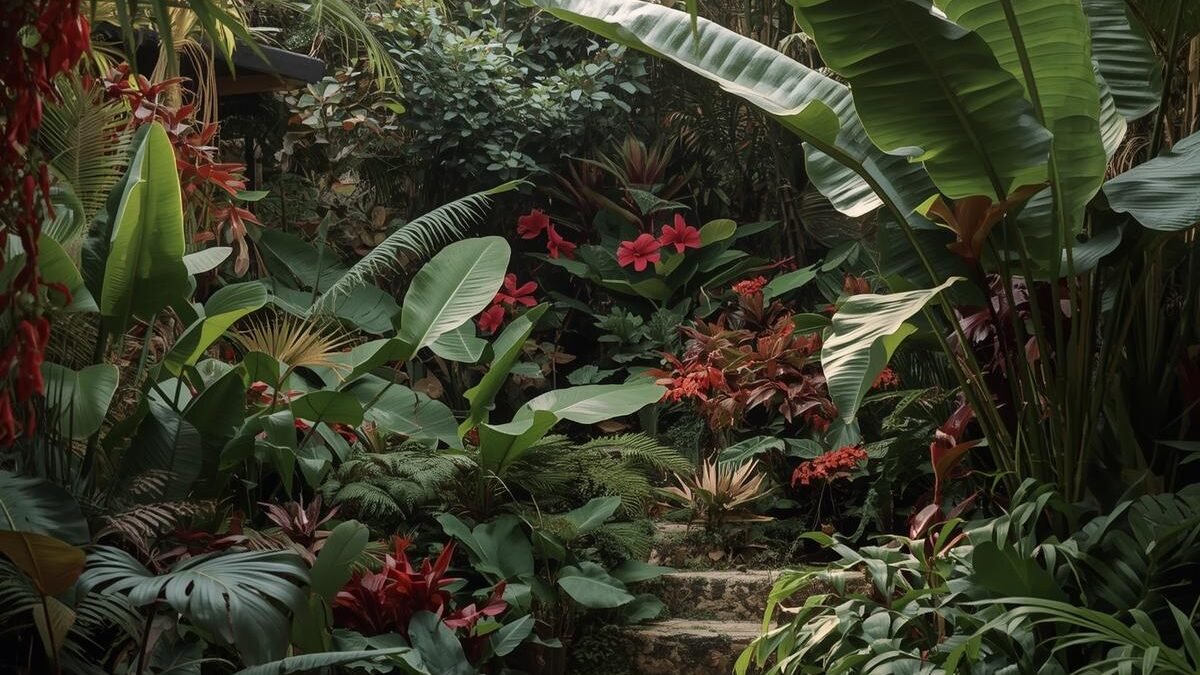
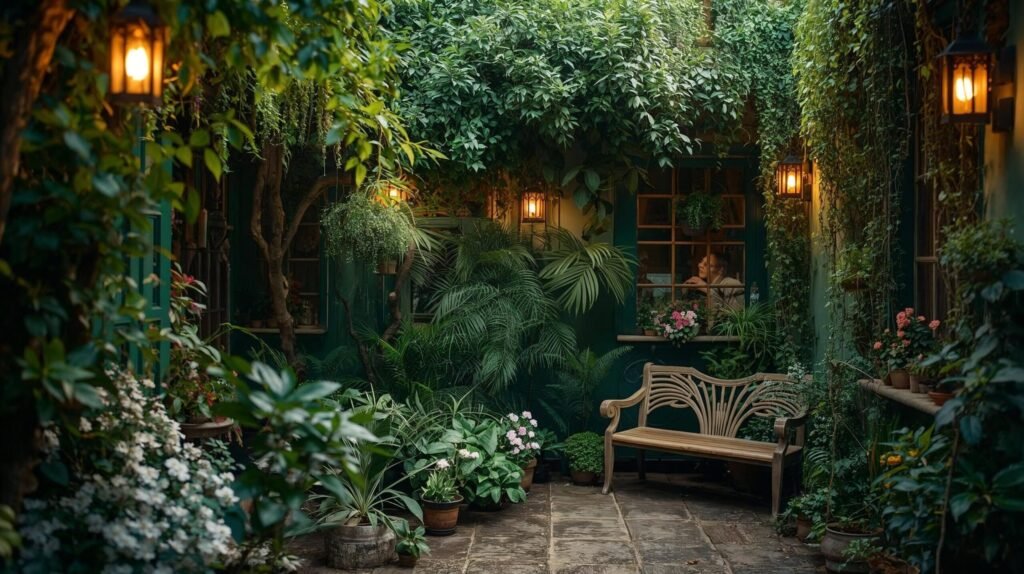
Tropical (Lush)
Feel: Bold, exotic, dramatic
A dense, high-impact style focused on foliage and strong colour.
Key features:
- Large leaves and bold shapes
- Dense, layered planting
- Strong contrast in texture
Typical plants:
- Bananas, ferns, large-leaved plants
- Bright flowers and deep greens
Best for:
- Sheltered gardens
- Statement planting areas
- For those who want something bold and different
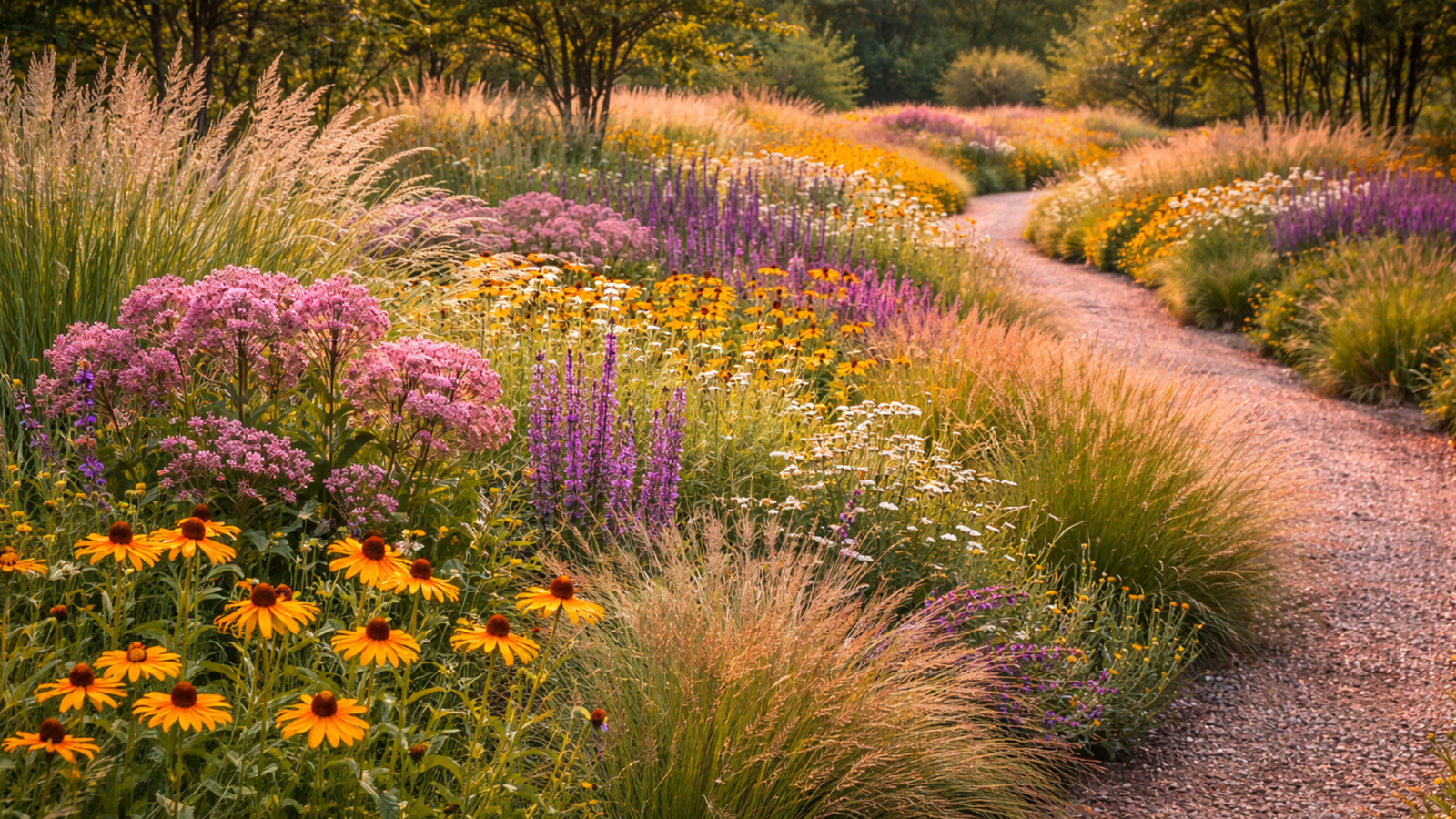
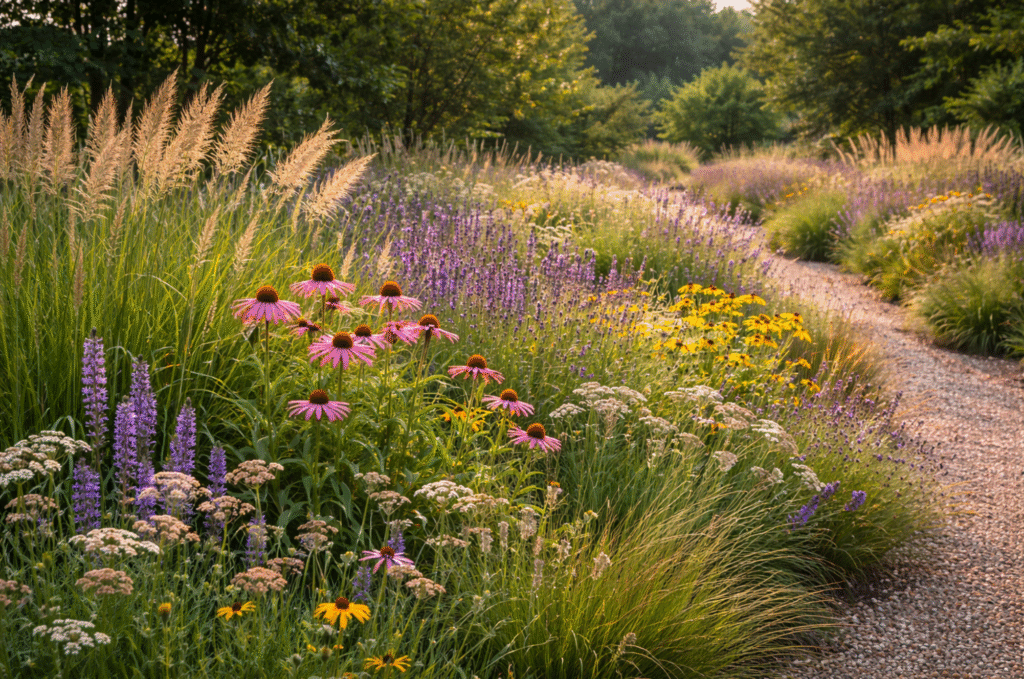
Prairie Planting (Textural)
Feel: Natural, flowing, seasonal, movement-led
Inspired by prairie landscapes, this style uses grasses and perennials in drifts.
Key features:
- Strong movement
- Repeated planting in drifts
- Seasonal colour waves
- More natural structure
Typical plants:
- Grasses, echinacea, rudbeckia
- Verbena, salvias
Best for:
- Larger borders
- Sunny gardens
- Lower maintenance once established
Colour Palettes Explained
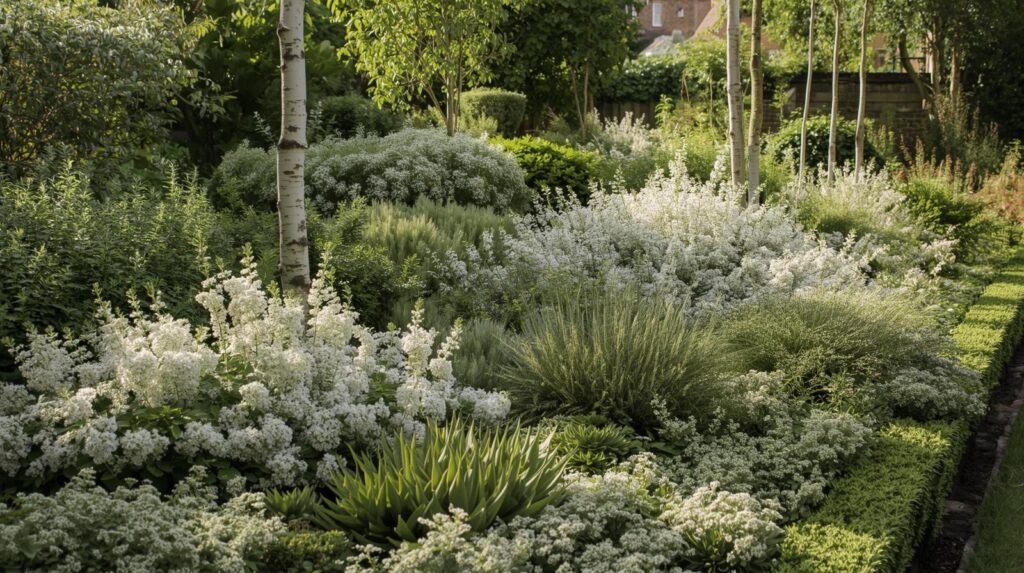
Light & Airy (Whites, Creams, Greens)
Feel: Calm, fresh, elegant
A soft, neutral palette that works beautifully in most gardens.
Best for:
- Creating space and light
- Smaller gardens
- A timeless look
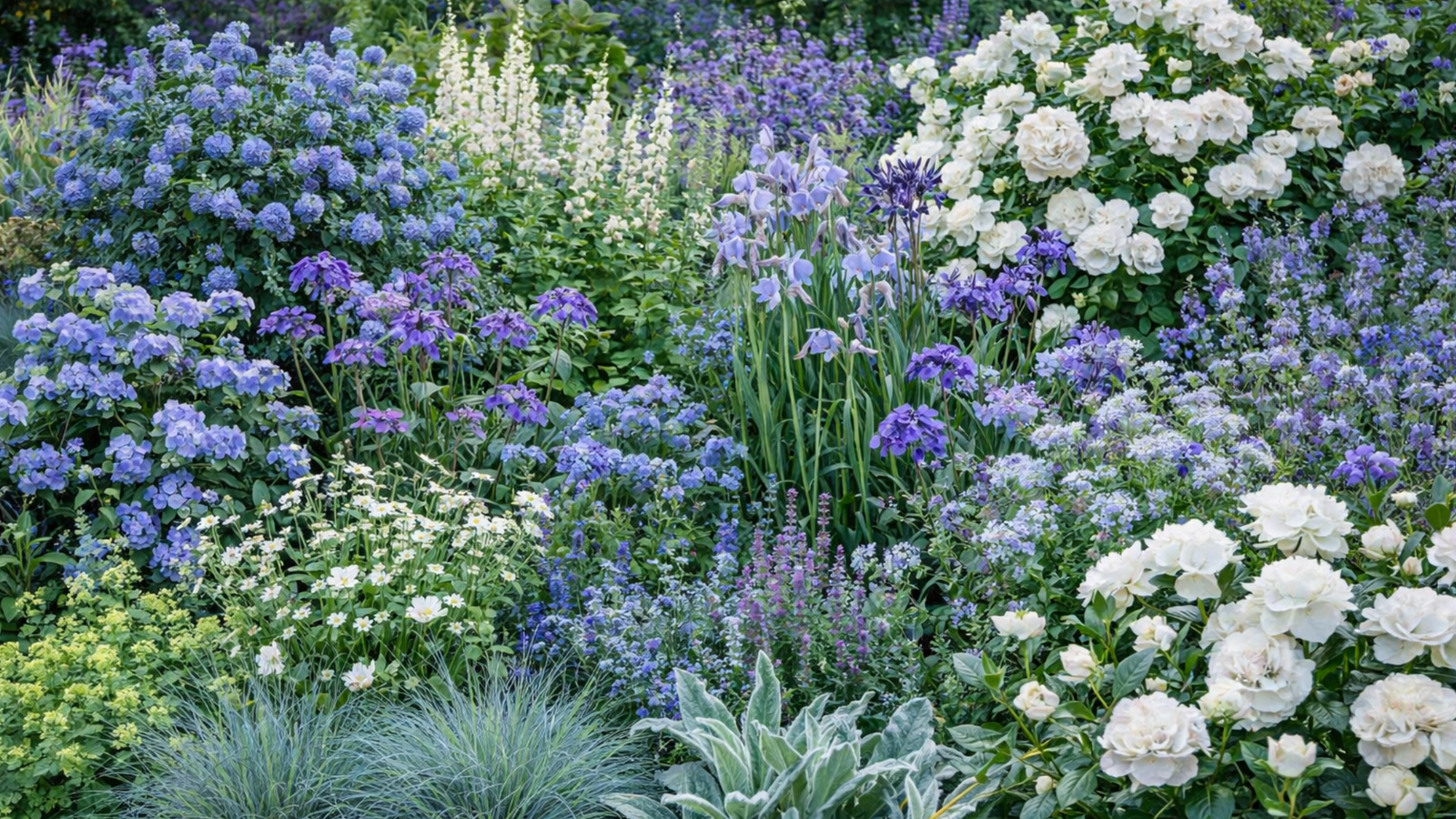
Calm & Serene (Blues, Purples, Silvers)
Feel: Cool, peaceful, relaxing
This palette is perfect for creating a tranquil space.
Best for:
- Seating areas
- Quiet gardens
- Evening enjoyment
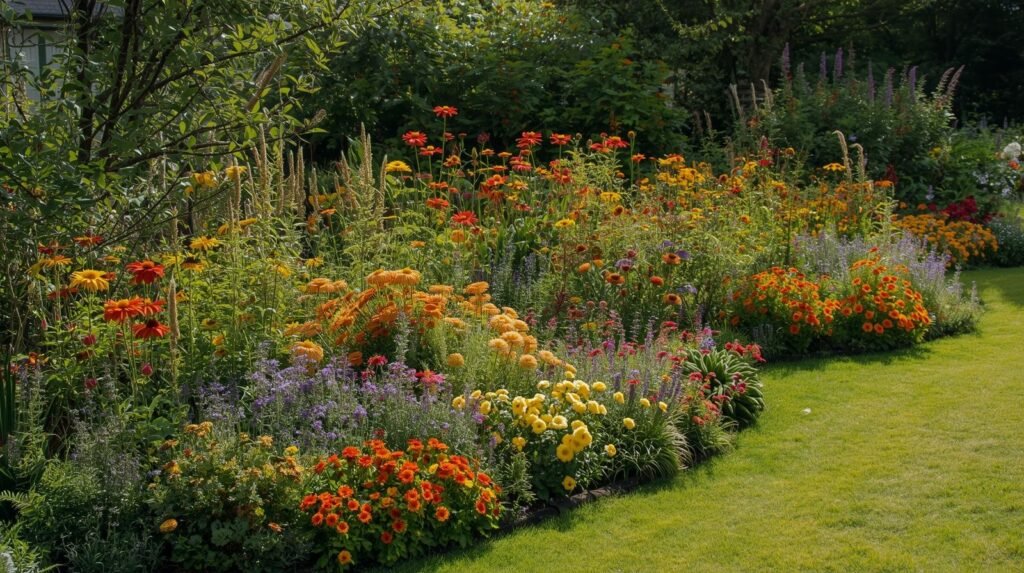
Prairie Fire (Reds, Oranges, Yellows)
Feel: Warm, vibrant, energetic
A bold and uplifting palette inspired by late summer prairie planting.
Best for:
- Sunny borders
- Statement planting
- For those who love colour
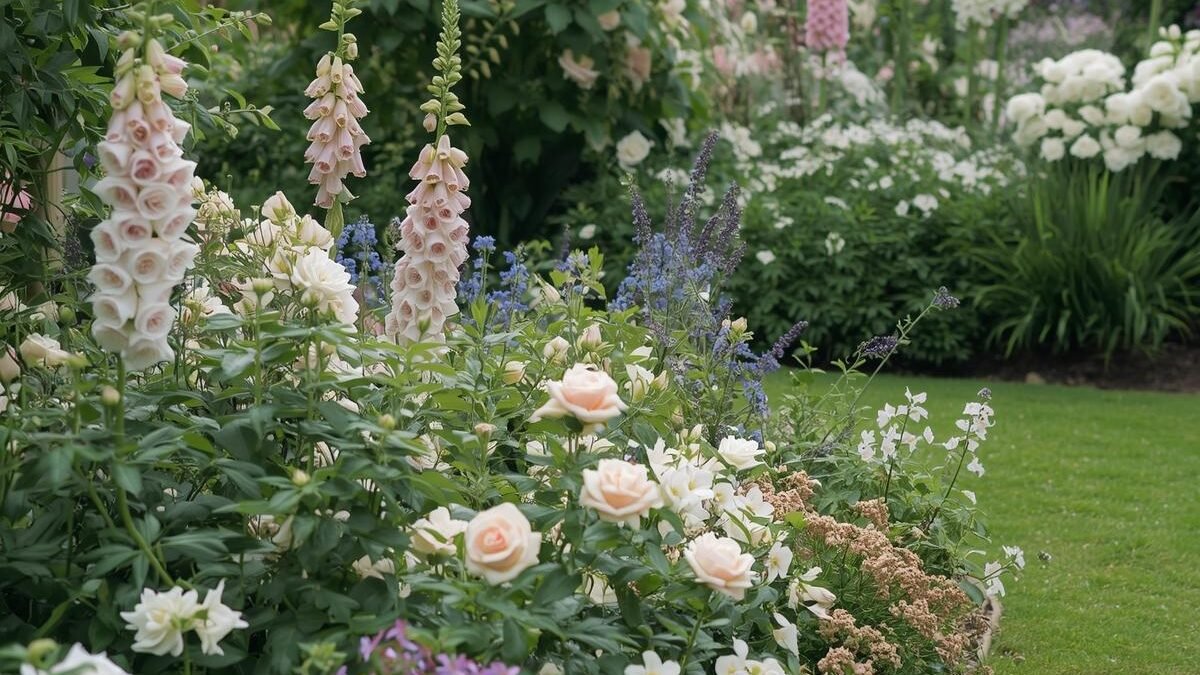
Soft & Romantic (Pastels)
Feel: Gentle, feminine, classic
A softer version of a cottage palette with blended tones.
Best for:
- Cottage-style gardens
- Relaxed planting
- Subtle colour combinations
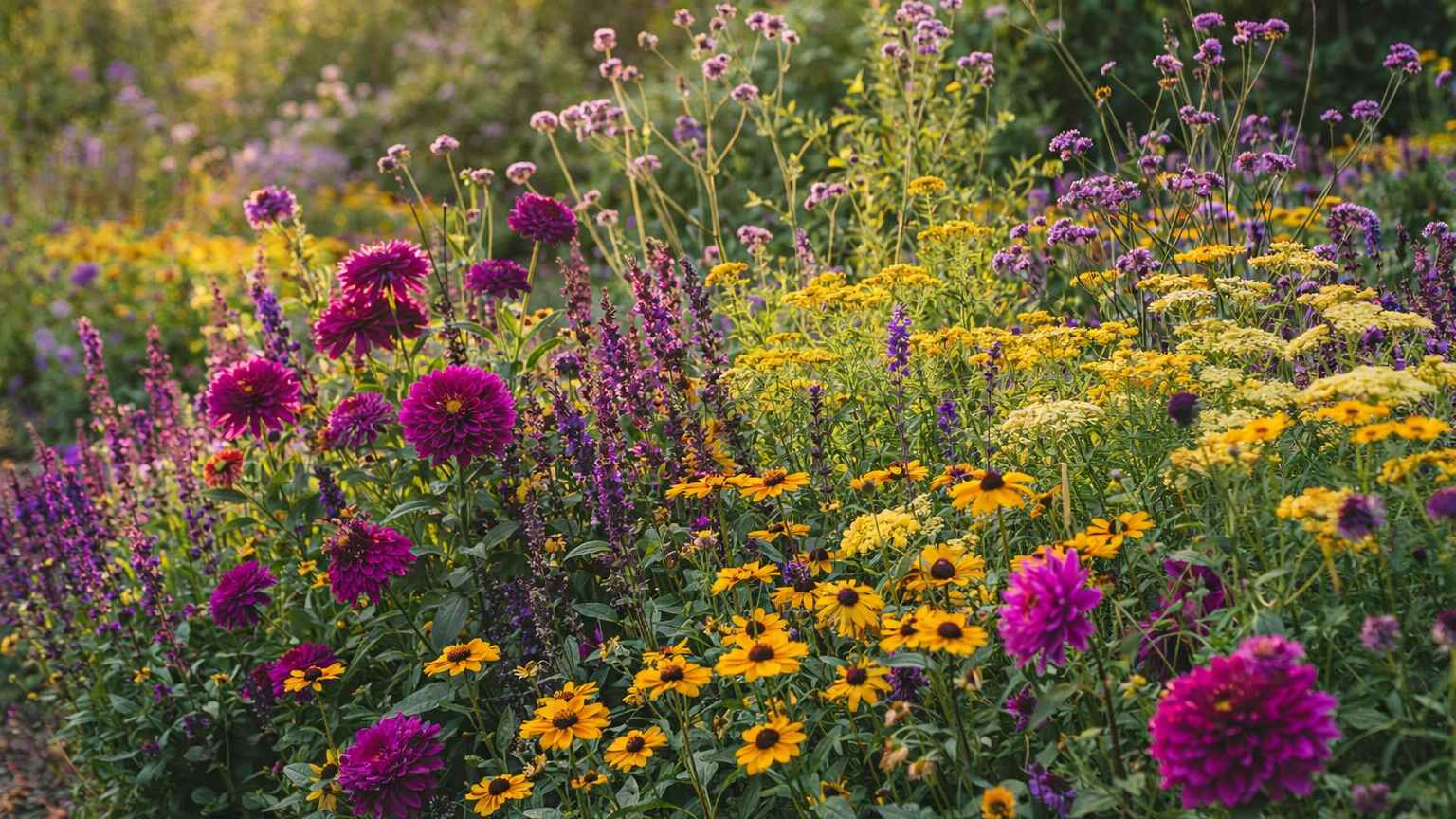
Magenta & Marigold
Magenta & Marigold
Feel: Bold, playful, high contrast
A vibrant and energetic combination that creates strong visual impact.
Best for:
- Feature borders
- For those who want something eye-catching
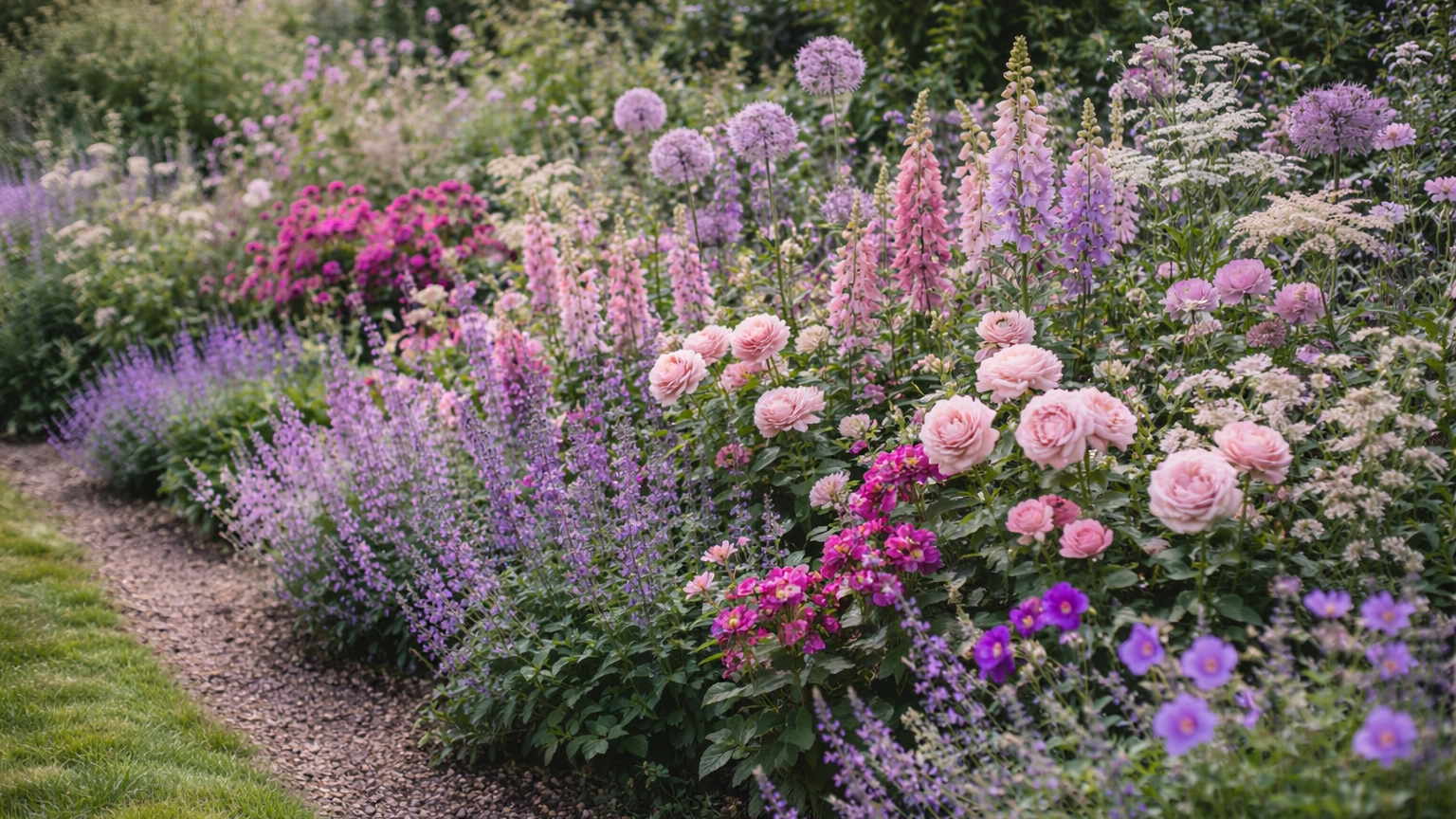
Rose & Amethyst
Rose & Amethyst
Feel: Rich, elegant, layered
A deeper, more sophisticated pink and purple palette.
Best for:
- Romantic but more refined schemes
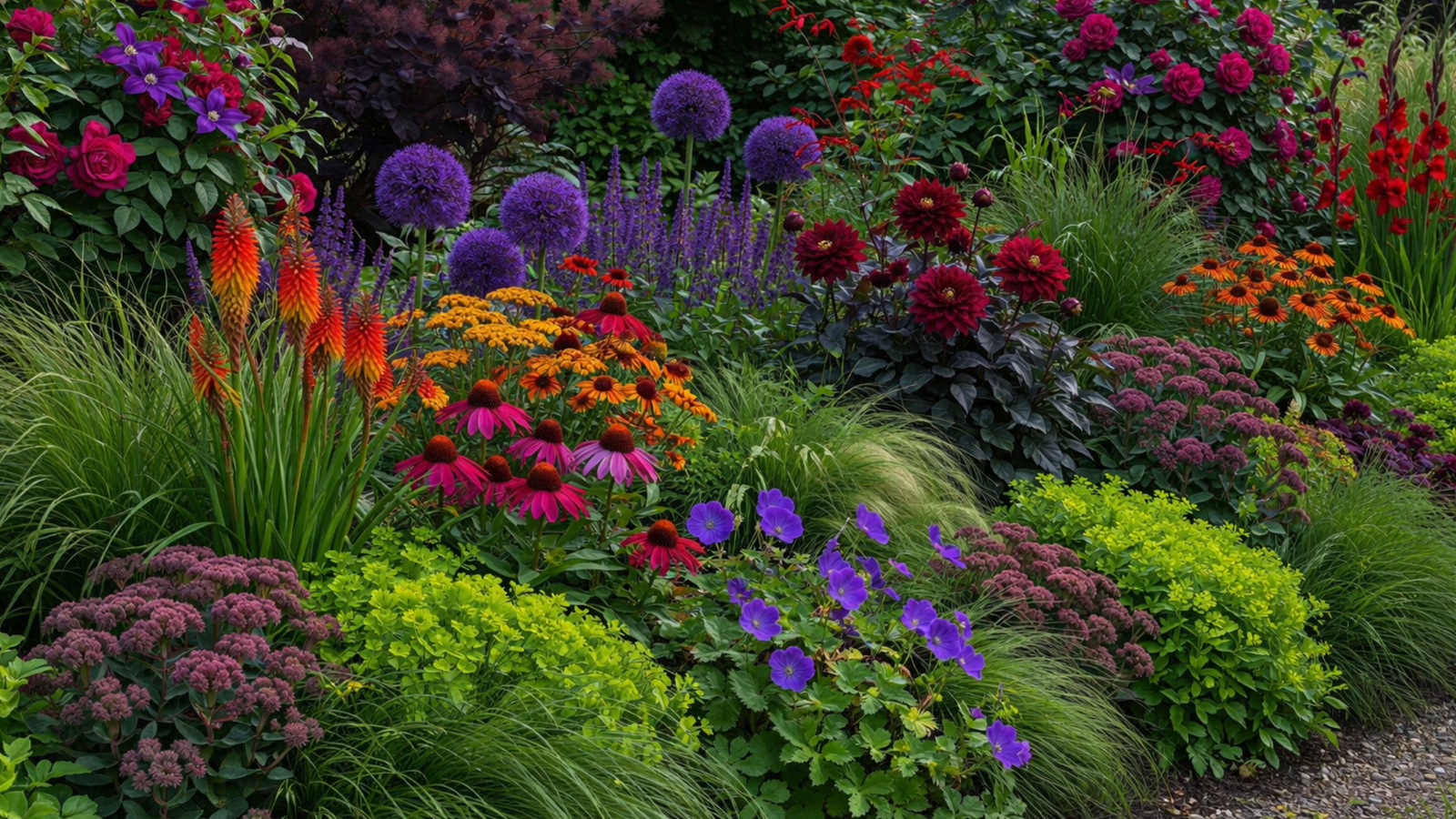
Jewel Oasis
Jewel Oasis
Feel: Deep, luxurious, dramatic
Strong jewel tones create a bold and opulent garden feel.
Best for:
- Statement planting
- For those who love bright bold gardens
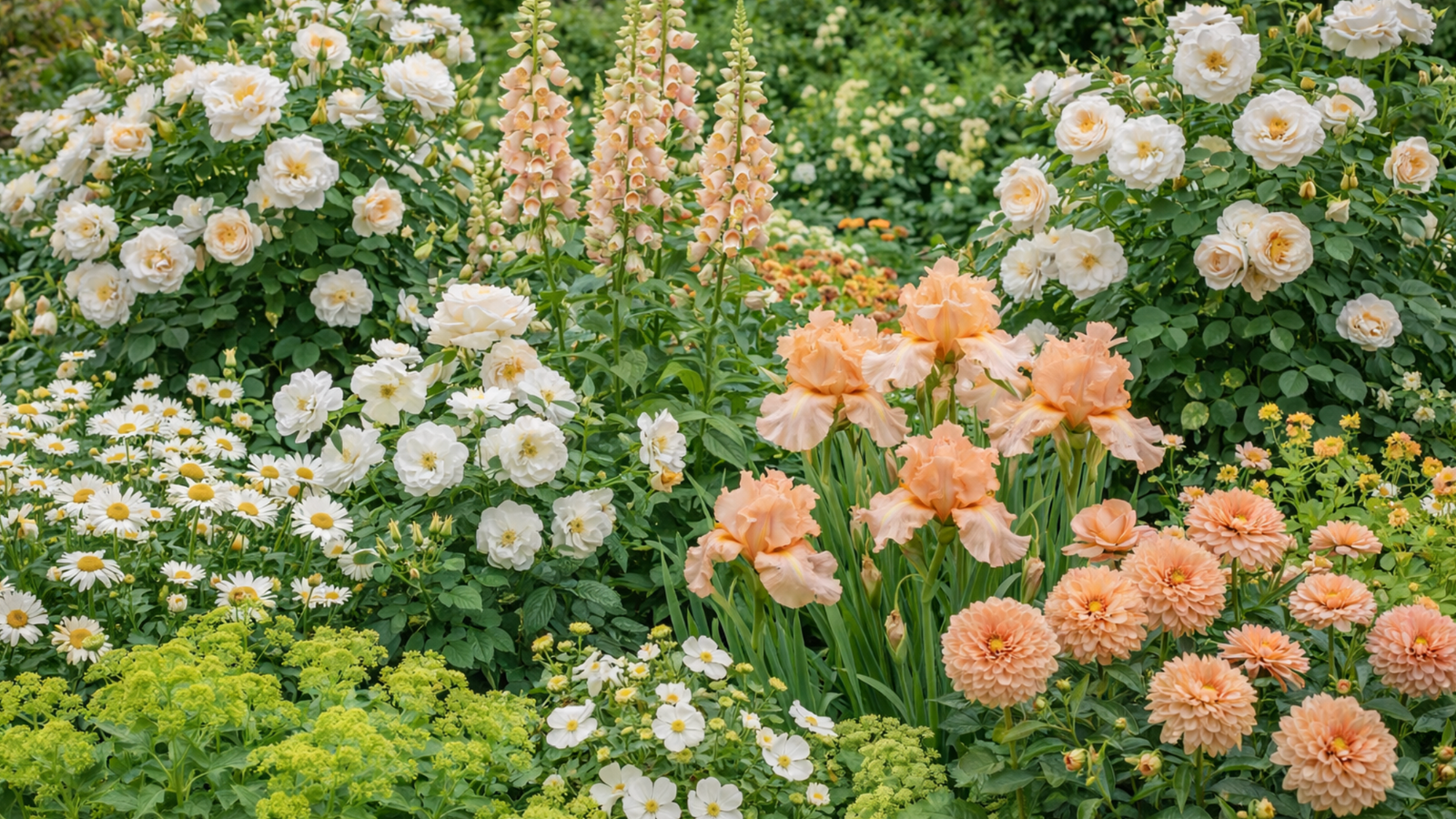
Amber & Apricot
Feel: Warm, soft, sunlit
A gentle warm palette that feels natural and easy.
Best for:
- Relaxed gardens
- Blending with natural surroundings
How to choose
If you’re unsure, don’t overthink it — choose what you’re naturally drawn to.
We’ll always:
- match your choices to your garden conditions
- adjust plant selections to suit your space
- make sure everything works together practically as well as visually
Your selections guide the design — but they don’t limit it.
Final note
A beautiful garden isn’t just about how it looks on day one — it’s about how it grows, changes, and feels over time.
This is where thoughtful plant selection and good structure make all the difference — and that’s where we come in.